
Car Breakdown Guide: How to act when your car fails.
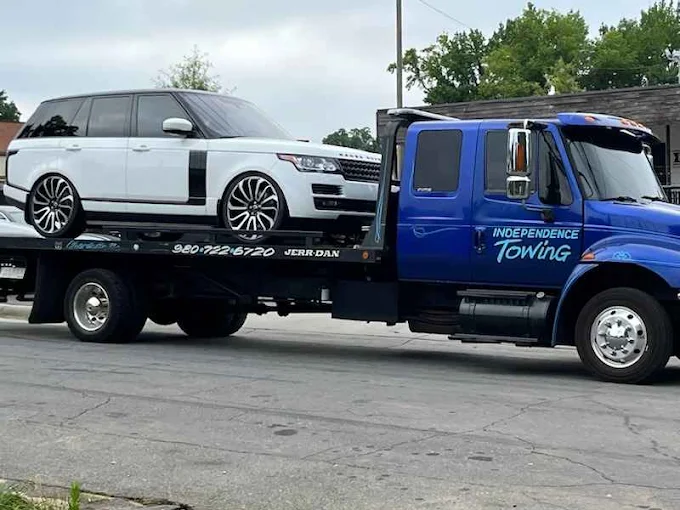
Car breakdown is a stressful and uncertain experience, especially when you do not know the right way to do it. On your way to work, running errands, or even traveling long distances, knowing what to do precisely when your car fails to start will make what could be a potentially hazardous situation an inconvenience that can be easily handled. It is important to take systemic steps that will keep you safe, secure your car, and help solve your problem quickly so you can get back on the road. Step 1: Remain Composed and Evaluate the State of Affairs. When you first find there is something wrong, when there are weird noises or warning lights, when you lose power, or when you feel that you are handling something out of the ordinary, stay calm and start evaluating your position. Panic causes inappropriate choices that affect safety. Breathe deeply and concentrate on the correct sequence of response. Determine the acuity of the issue. Total engine failure, punctures, overheating, or smoke demand immediate intervention, whereas less serious problems such as low fuel or warning lights can permit the vehicle to continue the journey to safer places. Knowing what is urgently needed will make you prioritize actions accordingly. Test the surroundings and the traffic situation. Breakdowns happen on highways, and those in residential streets do not pose the same problems. Traffic of high speed, narrow shoulders, and visibility issues influence your response plan. Step 2: Move to a Safe Location. Provided your vehicle is running, position it in a safe place as much as possible, preferably a parking lot, shoulder of a road, or any other place that has space that is not in the path of traffic. Turn signals should be used in order to signal what you are planning to do and slow down progressively with a view of checking the mirrors of the vehicles around you. There should not be sudden halts on the lanes of travel that cause collisions. In spite of the fact that your vehicle loses all the power, there is usually momentum, which helps you to move to safer areas. Pull to shoulders or emergency lanes, with the rest of forward motion being applied as a strategic move. On highways pull to the right side as far as shoulders will allow. The extra separation between your car and traffic lanes minimizes the risks of collision by careless motorists. When difficulty arises in the left lanes, cross to the shoulders of the right but never stop in the midline or left emergency lanes and get stuck in a traffic jam. In case there is no movement and you have been stuck in active lanes, then simply use your hazard lights and be prepared to get out of the car when you have an opportunity, provided it is safe to do so. Spending time in cars that are in the lanes of traffic is life-threatening. Step 3: Ensure That Your Vehicle is Visible. After stopping safely, switch on hazard lights as soon as possible so as to signal the other drivers that you are around. Hazard lights are universally considered as warning signals that make nearby traffic take precautionary measures. In case you have warning triangles or road flares that are reflective, then put them behind your car at the right distance—about 100 feet on the highways, and less so on lower roads. These conspicuous warnings give prior knowledge to oncoming users, especially where the visibility is low, especially around curves or hills. In the process of a breakdown at night, the interior dome lights would assist in making your vehicle more visible. Nevertheless, be careful not to put a strain on batteries in case you will have to wait a long time. Balance visibility must be achieved at the expense of maintaining adequate battery power to run hazard lights and communicate with the emergency services. Put up your hood to indicate distress and assist the responders to trace your vehicle, especially in parking lots because there are many vehicles in one place and along the busy roads, vehicles that are not easily noticed. Step 4: Ensure Personal Safety After placing your car in the safest way possible and putting up adequate visibility awareness, consider whether it is safer to stay or to get out of the vehicle. This choice is dependent on your location and the conditions around. Sometimes, even standing outside in the exposed roadside of a busy highway with narrow shoulders and fast-moving cars, it is more protective to keep inside your car with seatbelts tied than to stand around and be at the mercy of an oncoming car. Shut the door and wait for those professionals to come inside your car. When you are in safer places with enough distance away from traffic, wide shoulders, parking lots, or residential streets, in general, leaving and passing behind guardrails or not using the road can be right. You should never stand directly behind or in front of your car, where careless drivers may hit your car and run over you in case of an accident. Passenger-side doors are better to use when getting out of traffic. Peep through mirrors and areas with blind spots before opening doors to make sure that the oncoming cars will not hit them. Step 5: Seek the help of the professional. Get professional roadside service when in contact instead of trying to get into any trouble trying to fix the car on your own. You should save the most crucial numbers in your phone ahead of emergencies, such as the roadside assistance line of your insurance company, your favorite towing service, and emergency numbers. Give dispatchers accurate location details in terms of highway number, mile markers, exit numbers, cross streets, or description of landmarks. The smartphone map applications give GPS locations that are accurate and help in improving the response time. State the color of your vehicle, make, model and problems of your vehicle that you have. This data is used